Ornamental Corner Borders Font for Editorial Design
In the world of digital publishing and editorial design, the difference between a forgettable document and a captivating brand experience often lies in the details. While body copy carries the weight of information, decorative elements provide the emotional texture that keeps readers engaged. This is where Ornamental Corner Borders shines. As an elegant dingbats font, it offers more than just simple decoration; it provides a structural framework that elevates layouts across blogs, magazines, ebooks, and printable materials. For content creators who understand that typography is a vital component of visual storytelling, integrating this typeface can transform standard layouts into polished, professional compositions.
The Role of Decorative Typography in Modern Layouts
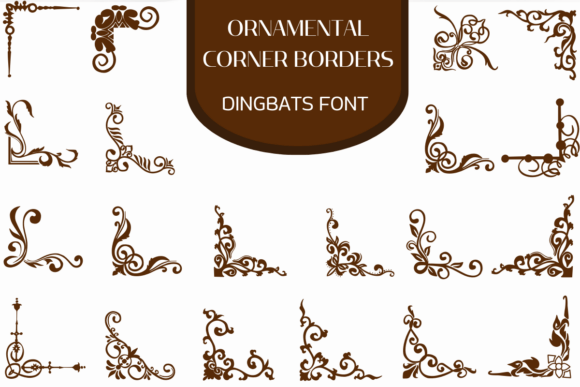
Many designers overlook the power of non-alphanumeric characters, yet Ornamental Corner Borders serves a critical function in establishing visual hierarchy. Unlike a traditional serif font or sans serif font used for reading long-form text, this display font acts as a visual anchor. It draws the eye to specific areas of a page, such as the corners of a quote box, the edges of a chapter opener, or the borders of a featured image. By framing content, it creates a sense of containment and importance, signaling to the reader that the enclosed information is worthy of attention.
The visual personality of Ornamental Corner Borders is inherently sophisticated. Its lines are clean yet intricate, offering a balance between classic elegance and modern minimalism. This versatility makes it an excellent choice for a wide range of editorial projects. Whether you are designing a high-end lifestyle blog, a wedding guide, or a corporate whitepaper, the font adds a layer of refinement without overwhelming the primary message. It supports the overall brand identity by providing consistent stylistic cues that readers subconsciously associate with quality and care.
Practical Applications for Publishers and Creators
The utility of Ornamental Corner Borders extends far beyond simple embellishment. For bloggers and newsletter writers, it offers a quick way to break up text-heavy posts. Instead of relying solely on bold headings or bullet points, you can use these corner elements to frame pull quotes or key takeaways. This not only improves scanability but also adds a unique aesthetic that distinguishes your content from competitors using generic templates.
- Ebook Covers and Chapter Heads: Use the corners to frame the title on an ebook cover or to mark the beginning of new chapters. This creates a cohesive look throughout the digital book, enhancing the reader’s journey.
- Printable Guides and Worksheets: For coaches and course creators, printable materials need to look professional when printed at home. These borders provide a finished look to worksheets, checklists, and planners, making them feel like premium products rather than simple handouts.
- Social Media Graphics: In square or vertical formats, corner borders can frame product shots or testimonial quotes, creating a branded template that is easily recognizable in a crowded feed.
- Newsletter Headers: Frame the main headline of your weekly newsletter to increase open rates and click-throughs by making the primary offer visually distinct.
When working with PDF exports or print-ready files, the vector nature of most premium font files ensures that Ornamental Corner Borders remains crisp at any size. This is crucial for maintaining readability and aesthetic appeal across different mediums, from mobile screens to high-resolution printed magazines.
Enhancing Readability and Visual Flow
A common misconception is that decorative fonts hinder readability. However, when used correctly as a supporting element, Ornamental Corner Borders actually enhances the reading experience. By clearly defining the boundaries of text blocks, it helps guide the reader’s eye through the layout. This is particularly important in complex designs, such as multi-column magazine spreads or dense educational guides.
To maximize effectiveness, consider the whitespace around these decorative elements. Crowding the borders against the text can create visual tension and reduce clarity. Instead, allow ample padding between the ornamental corners and the body copy. This breathing room ensures that the decoration complements the text rather than competing with it. The result is a balanced composition that feels open, inviting, and easy to navigate.
Strategic Font Pairing for Editorial Harmony
Selecting the right companion typefaces is essential when incorporating a distinctive dingbats font into your design system. Since Ornamental Corner Borders has a detailed and decorative style, it pairs best with clean, neutral fonts that do not clash with its intricacy.
For body copy, a highly readable serif font or a geometric sans serif font works well. The simplicity of these typefaces allows the corner borders to stand out as accent features without creating visual noise. For example, pairing these borders with a classic serif like Garamond or Baskerville can evoke a traditional, literary feel suitable for novels or historical articles. Conversely, combining them with a modern sans serif like Helvetica or Montserrat creates a contemporary, chic aesthetic ideal for fashion blogs or tech newsletters.
Avoid pairing Ornamental Corner Borders with other highly decorative scripts or handwritten fonts in close proximity. This can lead to a cluttered appearance that distracts from the content. The goal is to let the borders serve as a subtle frame, allowing the primary typography to communicate the message clearly.
Licensing and Commercial Use Considerations
For professional publishers and independent creators, understanding licensing terms is a critical part of the design process. When purchasing Ornamental Corner Borders, ensure that the license covers your intended use cases. Most commercial font licenses allow for use in digital products, such as ebooks, online courses, and paid newsletters, as well as print materials like magazines and brochures.
If you are creating templates for sale, such as Canva templates or InDesign layouts, check whether the license permits embedding or redistribution. Some foundries require an extended license for template creation. Always review the specific terms provided by the type designer to avoid legal issues. Investing in a properly licensed premium font not only protects your business but also supports the artists who create these valuable design assets.
In conclusion, Ornamental Corner Borders is more than just a collection of decorative glyphs; it is a versatile tool for enhancing editorial design. By thoughtfully integrating this font into your layouts, you can elevate the perceived value of your content, improve visual hierarchy, and create a distinct brand identity. Whether you are designing a simple blog post or a complex multi-page guide, these elegant borders offer the finishing touch that turns good design into great design.